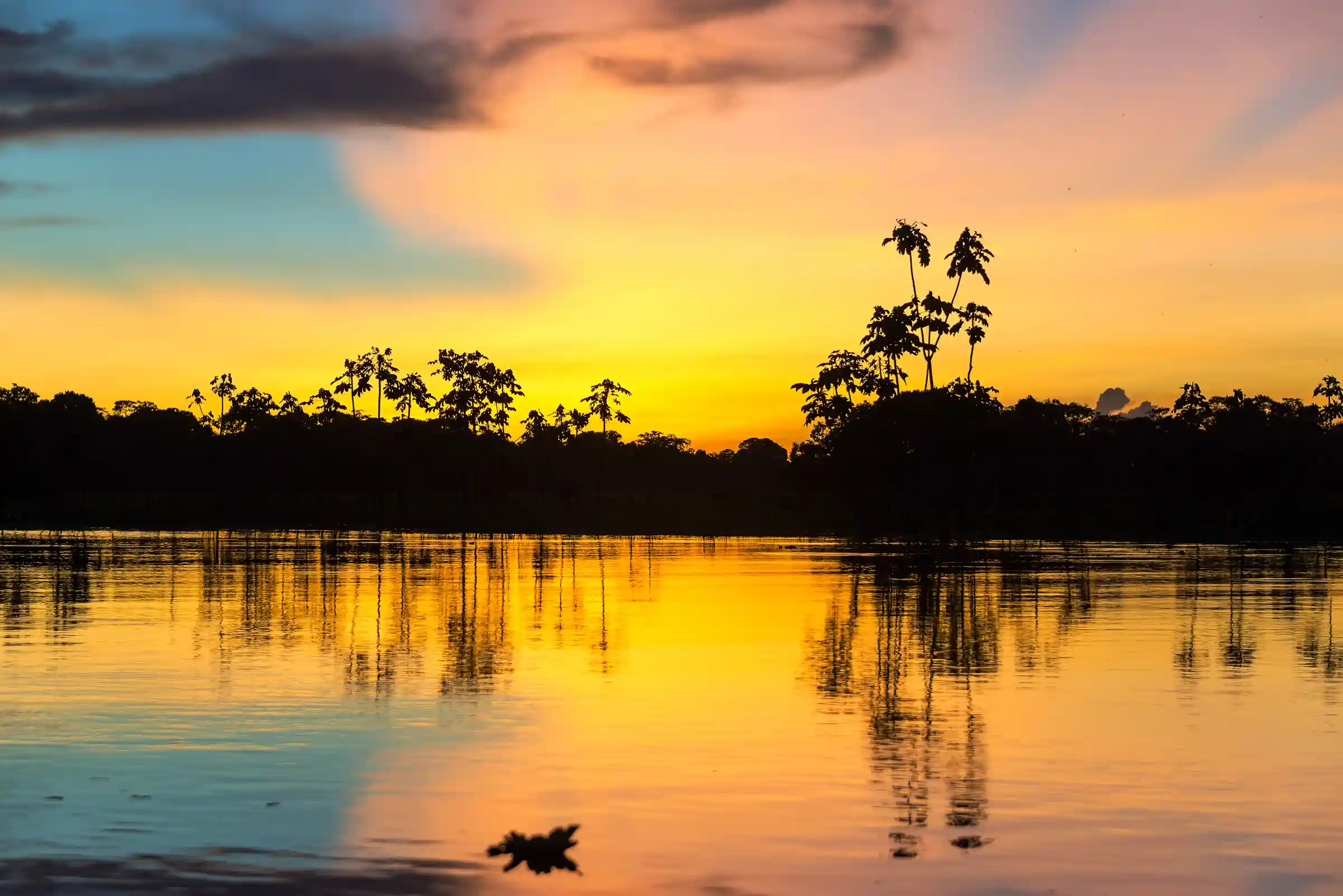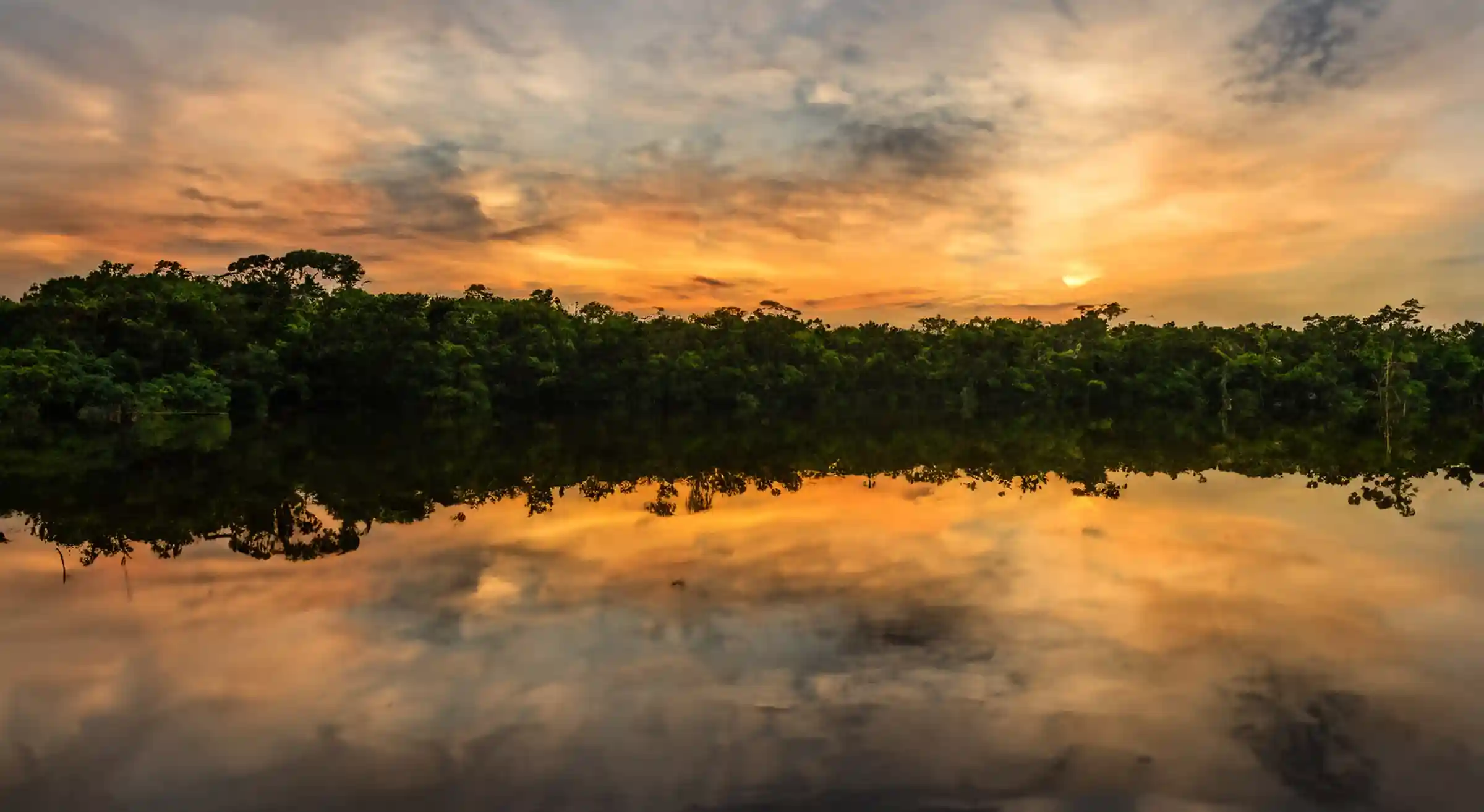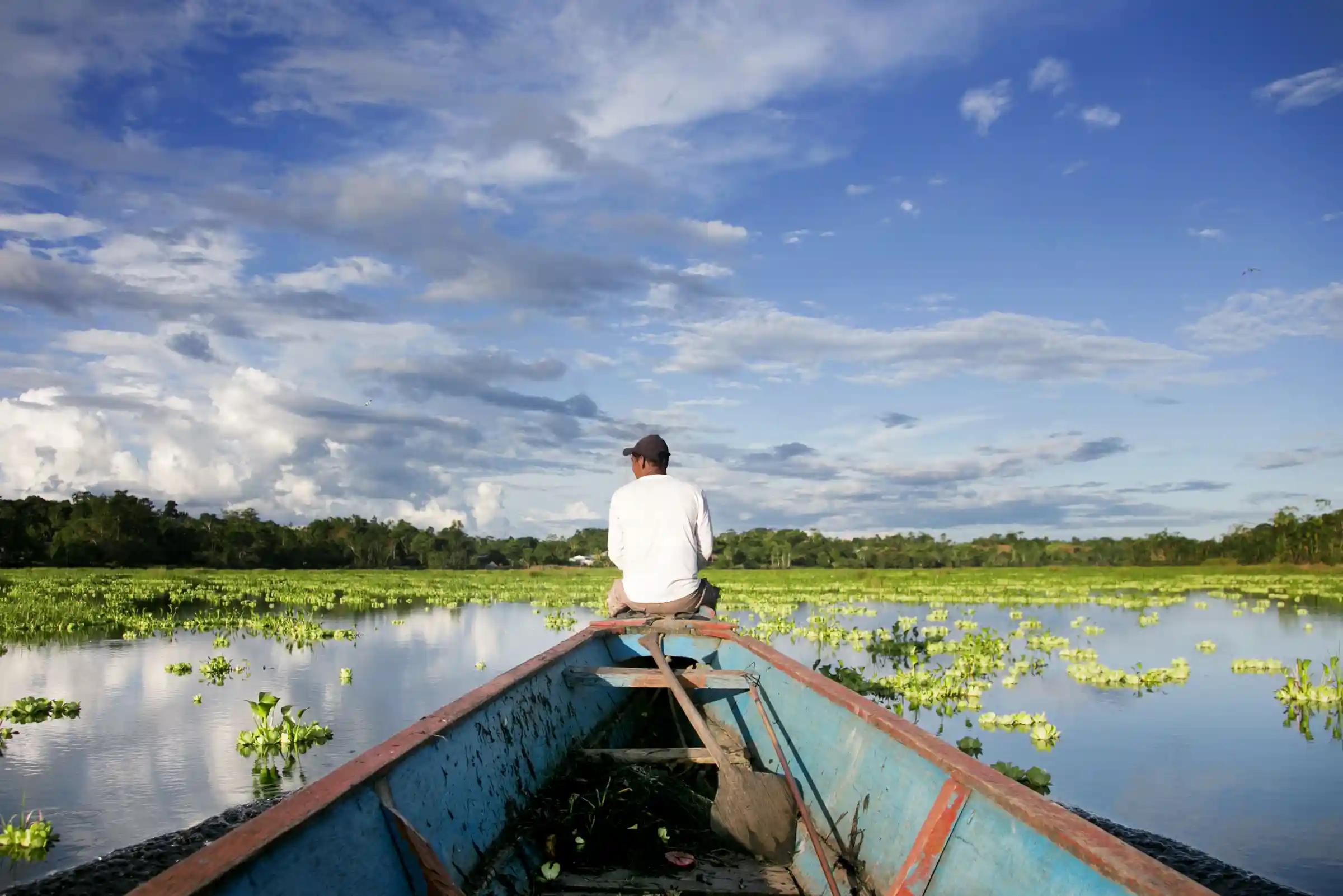


Nothing prepares you for the surreal shock of shivering violently in a thermal fleece while floating on a motorized canoe past dense bamboo stands in the middle of the Amazon basin.
I was in the middle of a peaceful afternoon on the Madre de Dios River, wearing light shorts under a humid 34°C sun, when the sky to the south turned an ominous steel-gray. Within thirty minutes, a ferocious southerly wind began whipping the river surface into whitecaps. By dusk, the thermometer on the lodge veranda read 11°C (52°F). Our guide chuckled at our confusion: “Llegó el friaje.”
The Antarctic Shockwave: Understanding Amazonian Cold Fronts
The phenomenon known in Peru as a Friaje (and in Brazil as Friagem) is an atmospheric occurrence that catches roughly 90% of international tourists completely off guard. Massive masses of dense Antarctic polar air surge northward across the flat plains of Argentina and Paraguay, channel along the eastern wall of the Andes mountain range, and slam directly into the southwestern Amazon basin.
Meteorological records tracked by SENAMHI (Peru’s National Meteorology and Hydrology Service) confirm that during strong friaje events, temperatures in Puerto Maldonado and Manu can plummet from 35°C to below 9°C in under four hours. These cold fronts typically last between 2 and 5 days, bringing heavy overcast skies, steady drizzle, and a profound change in animal behavior.
Rainforest Ecology During a Friaje: Experience → Data → Practical Recommendation
Personal Experience: When the cold wind sets in, the normally deafening insect chorus drops to near-total silence. Monkeys huddle tightly in canopy forks, and reptiles vanish into hollow logs.
Useful Data: Friajes occur almost exclusively between May and September, with an average frequency of 4 to 8 distinct events per dry season.
Recommendation: Never pack exclusively for tropical heat. Always keep a windproof shell jacket, a mid-weight fleece sweater, and merino wool socks inside a dry bag in your daypack during river transits.
Wildlife Dynamics: Who Hides and Who Appears?
You might assume that cold weather ruins jungle wildlife viewing. That is only partially true.
While sun-loving reptiles (such as Black Caimans and side-necked river turtles) disappear from exposed logs because they cannot thermoregulate, large mammals often become much more active during daylight hours. Without the oppressive midday heat, Brazilian tapirs, red brocket deer, and large troops of Brown Capuchin monkeys forage on the forest floor throughout the day rather than retreating to shaded thickets.
| Species Group | Standard Hot Day Behavior (32°C+) | Friaje Cold Front Behavior (10°C–16°C) | Spotting Advice |
|---|---|---|---|
| Macaws & Parrots | Active at clay licks between 5:30 AM – 7:30 AM | Lick activity delayed or cancelled; feed quietly in palms | Focus on fruiting Mauritia palm swamps |
| Giant River Otters | Active hunting mornings and late afternoons | Active throughout midday; play along lake edges | Scan Sandoval Lake perimeter in early afternoon |
| Lowland Tapir | Strictly nocturnal / crepuscular sightings | Frequently seen swimming across rivers at noon | Keep telephoto lens mounted during boat runs |
| Tree Frogs & Snakes | High activity during warm humid nights | Lethargic; sheltered beneath bark and leaf litter | Shift focus to day tracking along interior trails |
What to Wear When the Polar Air Hits
Cotton clothing is your worst enemy during a friaje because it absorbs the humid cold drizzle and stays wet for days. Pack a lightweight synthetic thermal top (such as the Patagonia Capilene Midweight) and a seam-sealed rain jacket (such as the Marmot PreCip Eco or Outdoor Research Helium).
If you find yourself unprepared in Cusco before your jungle departure, stop by Tienda Andes Outdoor on Calle Triunfo 392 (open daily 9:00 AM – 9:00 PM) to purchase genuine fleece layers or dry bags before boarding your flight or expedition vehicle.
For up-to-date microclimate briefings and packing recommendations tailored to your travel dates, explore our Manu Reserved Zone Expeditions or email our field team at info@wildforestperu.com.