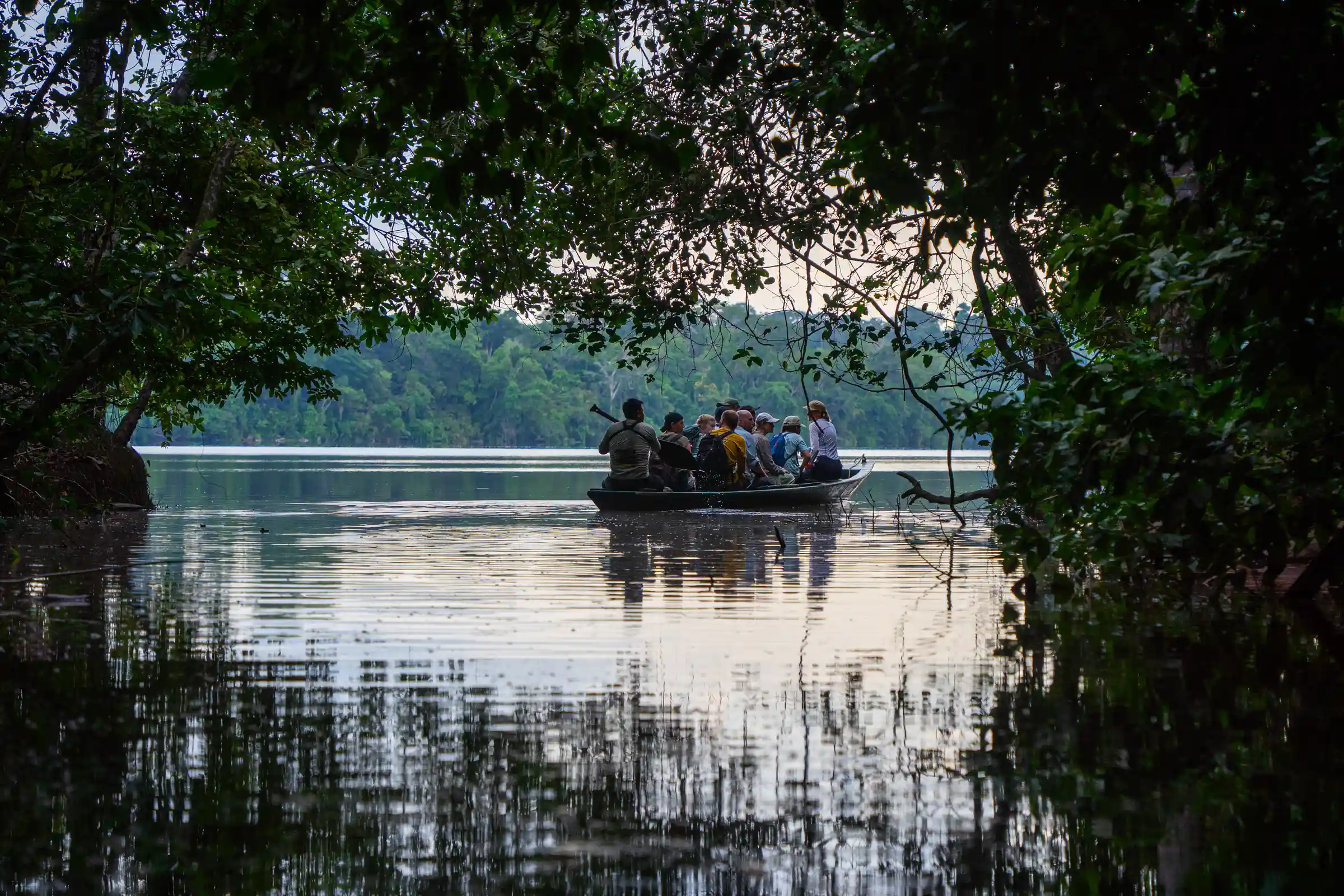


The moment your wooden riverboat cuts its engine around a remote bend of the Alto Madre de Dios River, a sudden, heavy silence descends—broken only by the primeval drip of humidity on broad leaves and the distant territorial call of a red howler monkey.
Most travelers arrive in Peru with their eyes set solely on high-altitude Inca ruins, unaware that over 60% of Peru’s national territory is cloaked in dense, virgin Amazonian rainforest. Having guided and documented field expeditions through Manu National Park, Tambopata National Reserve, and the northern Iquitos flooded forests for over fifteen years, I have seen firsthand how easy it is for visitors to feel overwhelmed by the sheer scale, unpredictable weather, and remote logistics of this ecosystem.
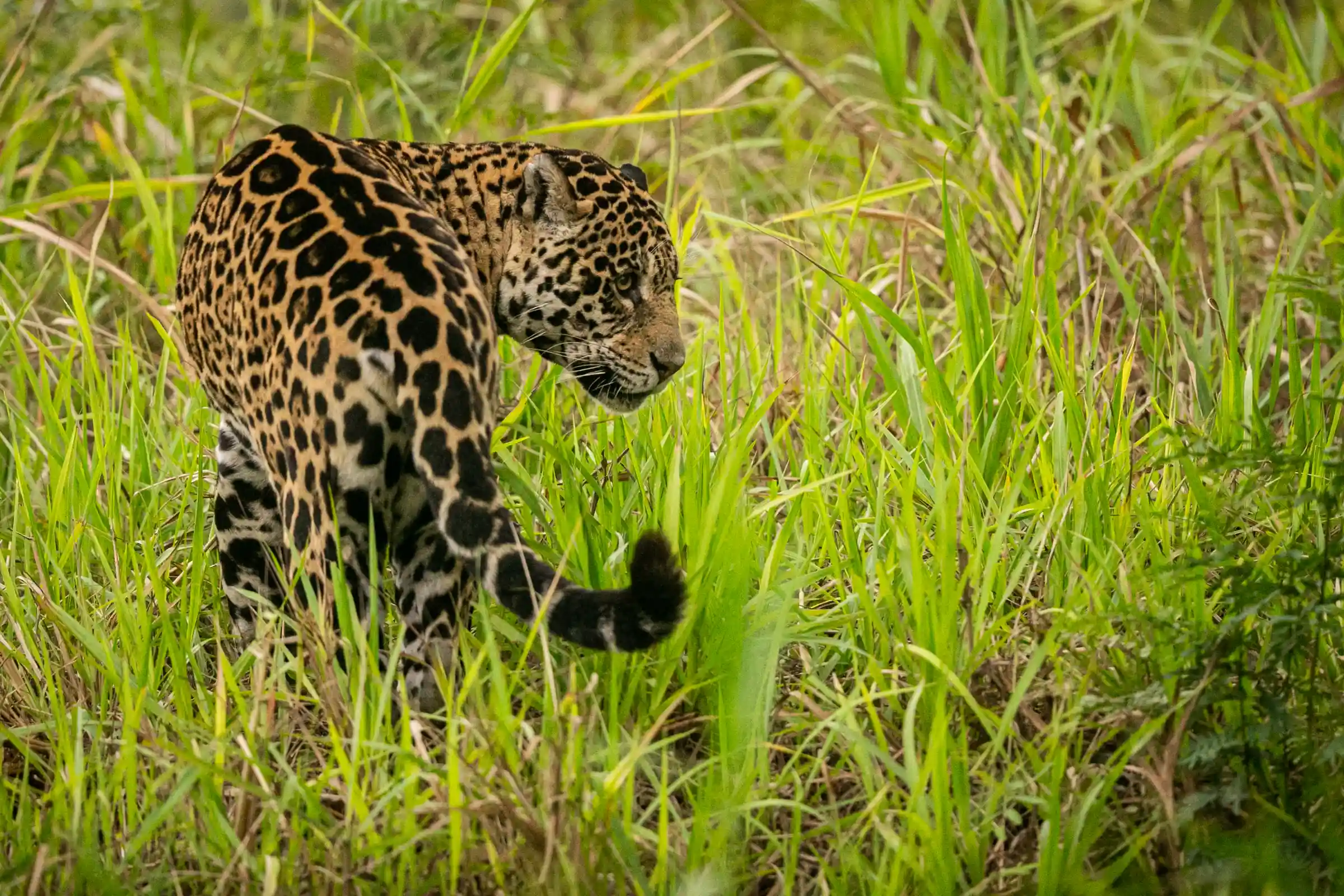
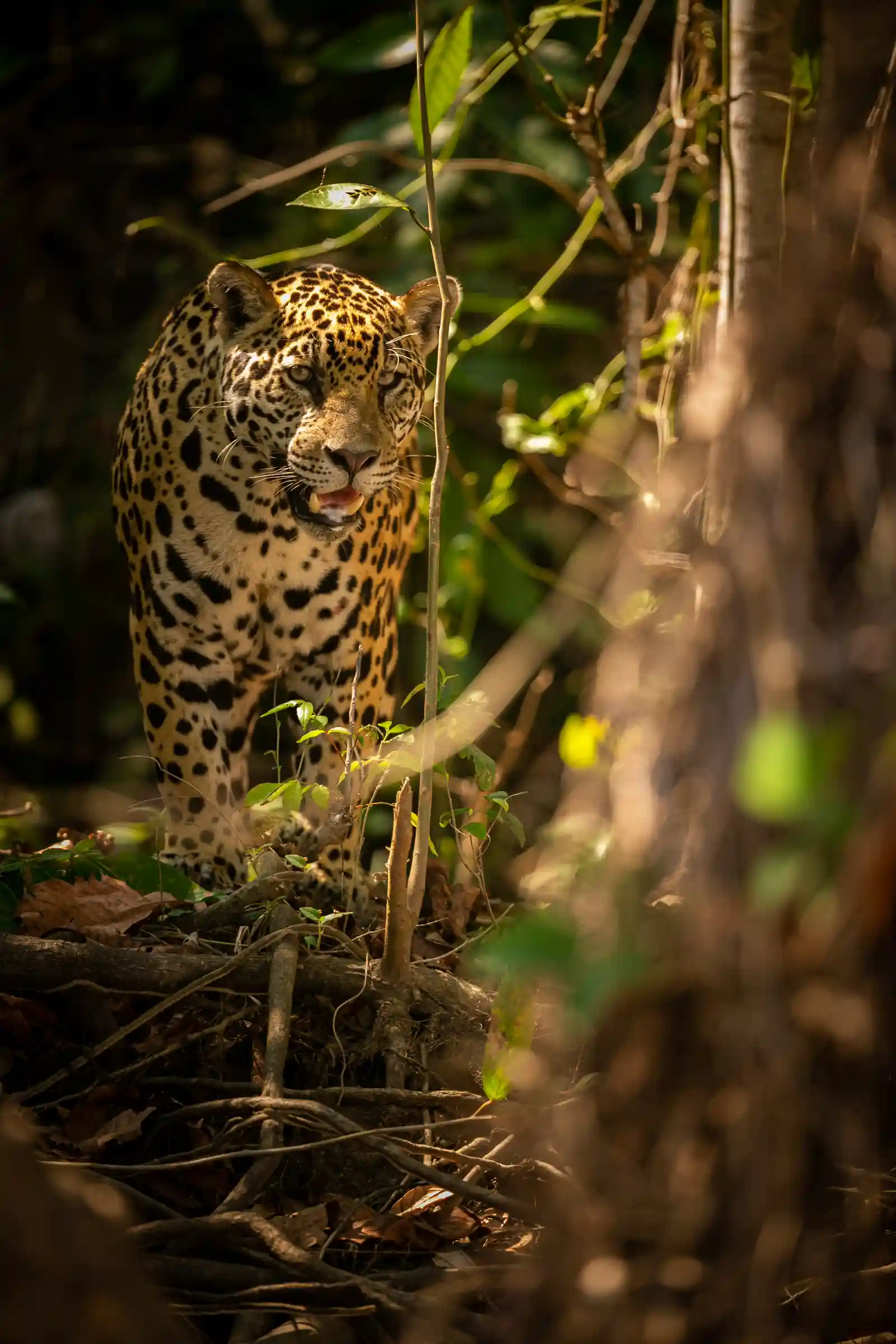
The Crucial Reality of Jaguar Tracking
There is a widespread misconception that exploring the Amazon is either a grueling survival test or a staged tourist show. The reality lies entirely in the expertise of your field guides, the quality of your timing, and the respect you pay to the jungle’s biological rhythms.
According to scientific field surveys coordinated by SERNANP (Peru’s National Protected Areas Service), the southwestern Peruvian Amazon holds some of the highest densities of undisturbed primary forest in South America. In regions like the Manu Reserved Zone and the Tambopata River corridor, human impact has been strictly capped, allowing species that have disappeared elsewhere to thrive naturally.
Field Analysis: Experience → Useful Data → Practical Recommendation
Personal Experience: When tracking wildlife or navigating remote tributaries around Manu & Tambopata Riverbanks, success is never about rushing down trails. It requires waking at 4:45 AM, maintaining absolute silence in the boat, and understanding how animals utilize early morning temperature windows.
Useful Data: Over 80% of mega-fauna sightings (including Jaguars, Giant River Otters, Brazilian Tapirs, and Harpy Eagles) occur within 15 meters of riverbanks or oxbow lake shorelines during the first 90 minutes after sunrise.
Recommendation: Select an expedition that utilizes small-group departures (maximum 6–8 travelers per naturalist guide) equipped with modern optic scopes and certified Wilderness First Responder (WFR) emergency protocols.
Comparative Field Breakdown: Key Factors for Travelers
| Expedition Parameter | Standard Commercial Tour | Specialized Wilderness Expedition | Expert Traveler Advice |
|---|---|---|---|
| Group Ratio | 1 guide per 15–20 guests | 1 certified naturalist per 6–8 guests | Essential for silent stalking and optic spotting |
| Trail Timings | Fixed 9:00 AM departures (hot midday) | Dawn (5:00 AM) & Dusk/Night departures | Aligns with peak animal thermoregulation windows |
| River Logistics | Crowded public transport boats | Private motorized peki-peki with shaded roof | Allows sudden stops for wildlife viewing on banks |
| Local Impact | Intermediary agencies taking 70% | Direct native community partnership | Ensures fair wages to native boatmen and trackers |
Recommended Gear, Fabrics and Cusco Sourcing
Never pack cotton or heavy denim when traveling into the Peruvian jungle. Humidity levels regularly exceed 92%, meaning wet cotton will stay damp for days, encouraging chafing and fungal growth.
Pack quick-drying ripstop synthetic trousers such as the Fjällräven Abisko Midsummer Trousers or PrAna Stretch Zion, paired with breathable UPF 50+ shirts. For insect defense, avoid high concentrations of oily DEET which can melt camera plastics and binoculars rubber; instead, use 20% Picaridin spray (such as Sawyer Picaridin) and treat your clothing beforehand with permethrin wash.
If you need to purchase certified outdoor equipment in Cusco before heading into the forest, visit Tatoo Adventure Gear (Calle Medio 130, open 9:30 AM – 8:30 PM) or the outdoor stores along Calle Triunfo near the Plaza de Armas. When buying boots or dry bags in Cusco, always inspect seam taping carefully to ensure you are getting authentic vulcanized seals.
Best Season and Practical Planning
The optimal window for navigating the rivers and observing clay licks in Manu & Tambopata Riverbanks spans from May through October, characterized by lower river levels, exposed sandbanks favored by nesting birds and sunbathing caimans, and minimal rainfall disruptions. However, the transitional months of November and April offer incredible fruit abundance and active canopy foraging troops.
To learn more about custom naturalist itineraries, birding transects, and authentic community-led expeditions in the Peruvian Amazon, explore WildForest Peru Expeditions or consult our operations team directly at info@wildforestperu.com.